
How to Design a Spa That Actually Makes Money
Most spas are designed twice.
The first time, by an architect and an interior designer, with a beautiful brief: “It needs to feel like a sanctuary.” The result is stunning — sweeping corridors, hand-glazed tiling, a hydrotherapy suite that photographs beautifully for Condé Nast Traveller.
The second time, quietly, two years later, when the operator realises the P&L doesn’t work and they can’t afford to keep running it at a loss. That’s the expensive redesign. Walls come down. Rooms get repurposed. The millwork goes in a skip.
I have watched this happen more times than I can count. It is almost always avoidable. The difference between a spa that makes money and a spa that loses it is made at the drawing-board stage — long before anyone chooses the tap finish.
Having worked on pre-opening and redesign briefs for properties under Mandarin Oriental, Raffles, Fairmont and The Savoy across three continents, here are the seven design decisions I want made — in this order — before a single wall goes up.
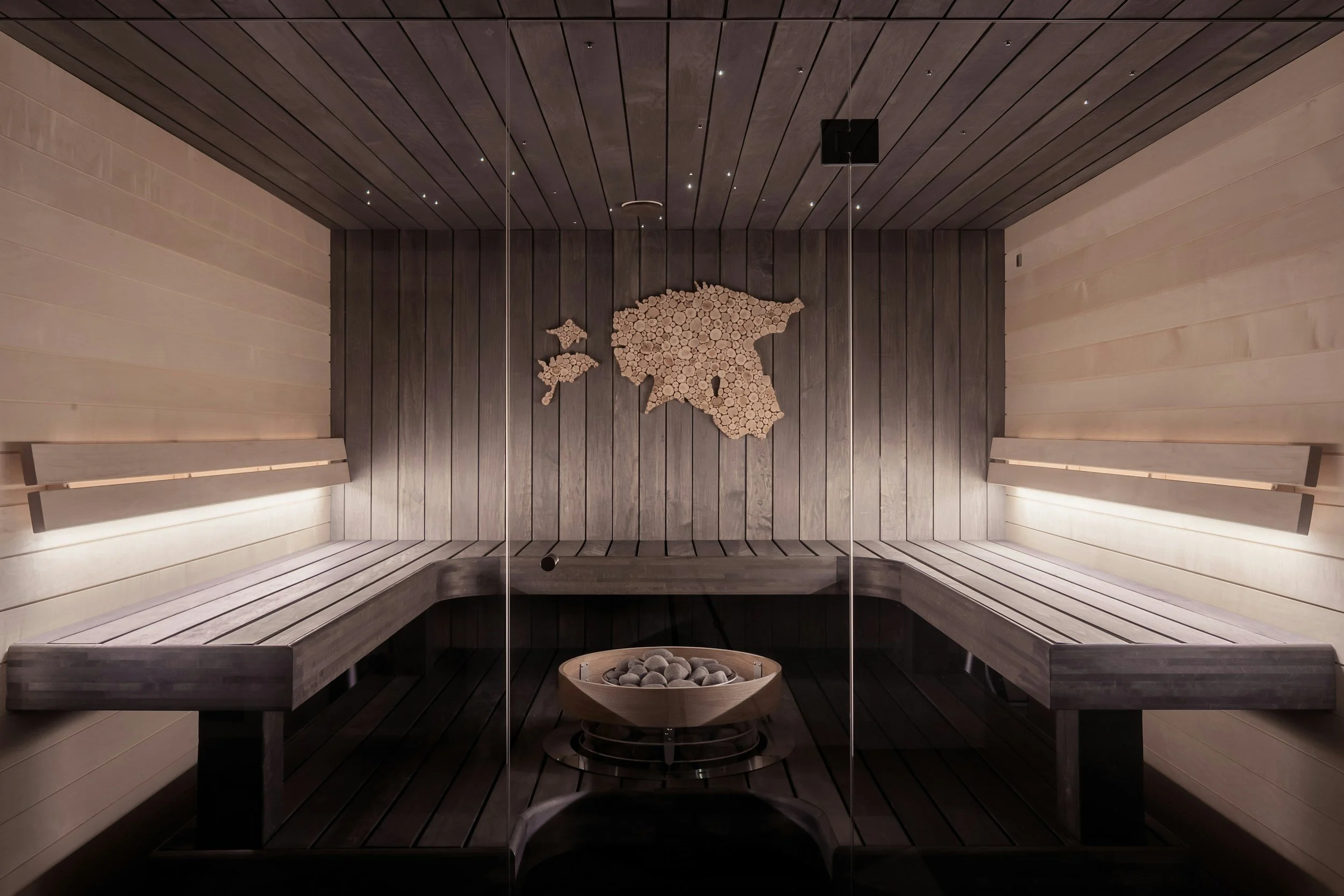
Decide the revenue model before the floorplan
Most spa design briefs start with square metres. That’s the wrong starting point.
Start with the numbers. What is the daily revenue target? What is the target revenue per guest? How many treatments per day does that imply? How many therapists do you need to deliver those treatments? How many rooms do you need to house those therapists? What’s the throughput of your wet rooms and relaxation zones under that volume?
Only once those answers are on paper does the floorplan make sense. A spa designed around a revenue model has the right number of rooms, in the right configuration, with the right back-of-house capacity to support them. A spa designed around square metres has whatever the architect thought looked good.
Get the treatment room count and the mix right
Room count is the single most important decision you will make. Too few and you cap revenue permanently. Too many and you carry empty-room overhead for a decade.
For a 200-key luxury hotel with a genuine spa positioning, the sweet spot is usually eight to twelve treatment rooms. Urban day-spa clientele and destination resorts will shift those numbers materially. What matters more than the total is the mix.
Most briefs ask for too many single-therapist rooms and not enough couples’ suites. Couples’ treatments now make up 28–42% of luxury spa bookings depending on the market, and they command a 35–50% price premium. Yet I routinely walk into properties with one couples’ suite booked solid for six months while eight singles sit half-empty.
Work the mix against realistic demand, not against what the architect thinks is “balanced.”
Design back-of-house before front-of-house
The two highest-leverage rooms in a spa are invisible to guests: the linen store and the therapist prep area.
If your linen store is under-sized, your housekeeping team burns 40 minutes a day walking back and forth to the main hotel laundry. Over a year, that’s one full-time role you’re carrying for a design decision that was made to save three square metres.
If your therapist prep area is cramped or badly positioned, treatment turnaround times stretch from 10 minutes to 18. That’s one extra treatment lost per therapist per day — industry-wide, tens of thousands of pounds of margin per year per therapist.
Design the operational spaces first. Lay the guest-facing ones around them. Not the other way around.
Make retail unmissable, not optional
Retail is where the best-run spas earn 18–30% of their revenue. In most UK hotel spas, it earns under 6%. The difference is almost always a design decision.
If retail sits in a glass cabinet by the reception desk, guests walk past it twice — once on arrival, once on departure — at precisely the two moments in the journey when they’re least receptive to buying.
Retail should sit on the path between the treatment corridor and the relaxation zone. Guests walk past it slowly, in a dressing gown, in the state of calm and suggestibility that follows a good treatment. Conversion multiplies. Same stock, same therapists, same pricing — four to five times the revenue.
Insist on this at design stage. Retrofitting retail circulation later is expensive and compromised.
Design flex spaces that earn
Most spas design for one use case: treatments. That means the spa sits at 65–75% capacity on a busy day and closes at 9pm with empty rooms for the rest of the evening.
Build at least one room — ideally two — that can flex. A treatment room that converts to a workshop space for monthly wellness talks. A relaxation lounge that hosts an evening sound bath once a week. A dedicated studio that runs pilates in the mornings and small-group events at night.
These spaces run at 40–60% incremental revenue on the base treatment offering. They don’t require extra footprint. They require flexible furniture, dimmable lighting, discreet audio and clever storage — decisions worth making in the initial design, not bolted on later.
Size the relaxation zones for dwell time
Every extra 15 minutes of dwell time after a treatment is worth real money. Relaxation zones drive retail conversion (see above), F&B spend (herbal teas, light menus, juices), upgrade decisions (“let me book in again for Friday”) and — most importantly — the quality of the reviews your guests write from the chaise longue with a glass of sparkling water.
Most relaxation zones are sized for one body per chaise. Good ones are sized for the guest plus a tablet, a book, a water carafe, a light dish, and ten minutes of genuine idleness. That is a meaningfully larger footprint — and a meaningfully higher revenue yield.
Plan for ten years, not the opening
A spa is a ten-year asset, minimum. Treatment trends change. Guest expectations shift. What photographs beautifully today will look tired by year four.
Design with flex in mind. Neutral base palettes that accept refreshing. Modular millwork. Cabling infrastructure that accepts new tech — LED canopies, contrast therapy, whatever comes next. Plumbing chases that can accept a new hydro circuit without tearing out the floor.
The best spas I’ve worked with look as relevant in year eight as they did on opening night. That is not a happy accident. It is a design philosophy of deliberate restraint, built in from the first rendering.
The mistake I see again and again
A brilliant architect and a brilliant interior designer, no operator in the room.
If you are building or refurbishing a spa, the operator’s voice has to be in the design meeting from week one. Not the hotel GM. Not the developer. Someone who has run a spa, read the weekly P&L, and felt the cost of a bad design decision in real money.
That is the single most expensive seat to leave empty in a pre-opening process. And the one most regularly left empty.
Your next move
If you are planning a new spa, refurbishing an existing one, or worrying that your current property isn’t earning what it should be, the design is usually where the answer starts — not the marketing, not the menu.
I work with a small number of pre-opening and refurbishment projects each year, from initial concept through to handover. Book a discovery call and I’ll give you a direct read on where your biggest opportunities sit.
